
"G1-G8 grade"
40000 article(s) found

Ethiopian Hambera Coffee 5.0 Sidama Coffee Flavor Taste Characteristics Introduction
Professional coffee knowledge exchange More coffee bean information Please pay attention to coffee workshop (Weixin Official Accounts cafe_style) Several important Ethiopian coffee producing areas, such as Yejiashev and Sidamo, have received considerable attention in recent years. Guji is also a part of Oromia Asia, southwest Ethiopia, south of Addis Ababa, the capital.

Ethiopian coffee beans are graded system Ethiopian coffee beans story and flavor
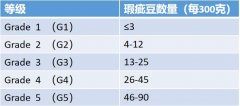
Following Kaibei (Wechat official account vdailycom) found that the Cafe Beautiful opened a small shop of its own Ethiopia Coffee beans divided into five levels. The first and second stages are washed beans. Washed beans Grade1 represents 3 defective beans per 300g raw beans, and Grade2 represents 4 defective beans per 300g. Gradc1 grade water washed beans are very rare and are generally difficult to buy.

Yesobi Yesuga Chuefei Fruit Yega Chefeppe Coffee Fruit
Professional Coffee knowledge Exchange more Coffee Bean Information Please note Coffee Workshop (Wechat account cafe_style) Front Street-Yega Coffee Gl Ethiopia Yirgacheffe Natural Boyefi G1 Yega Berry Fruit country: Ethiopia: Kochere, Wave Village processing: Japanese products: native species (Hei)
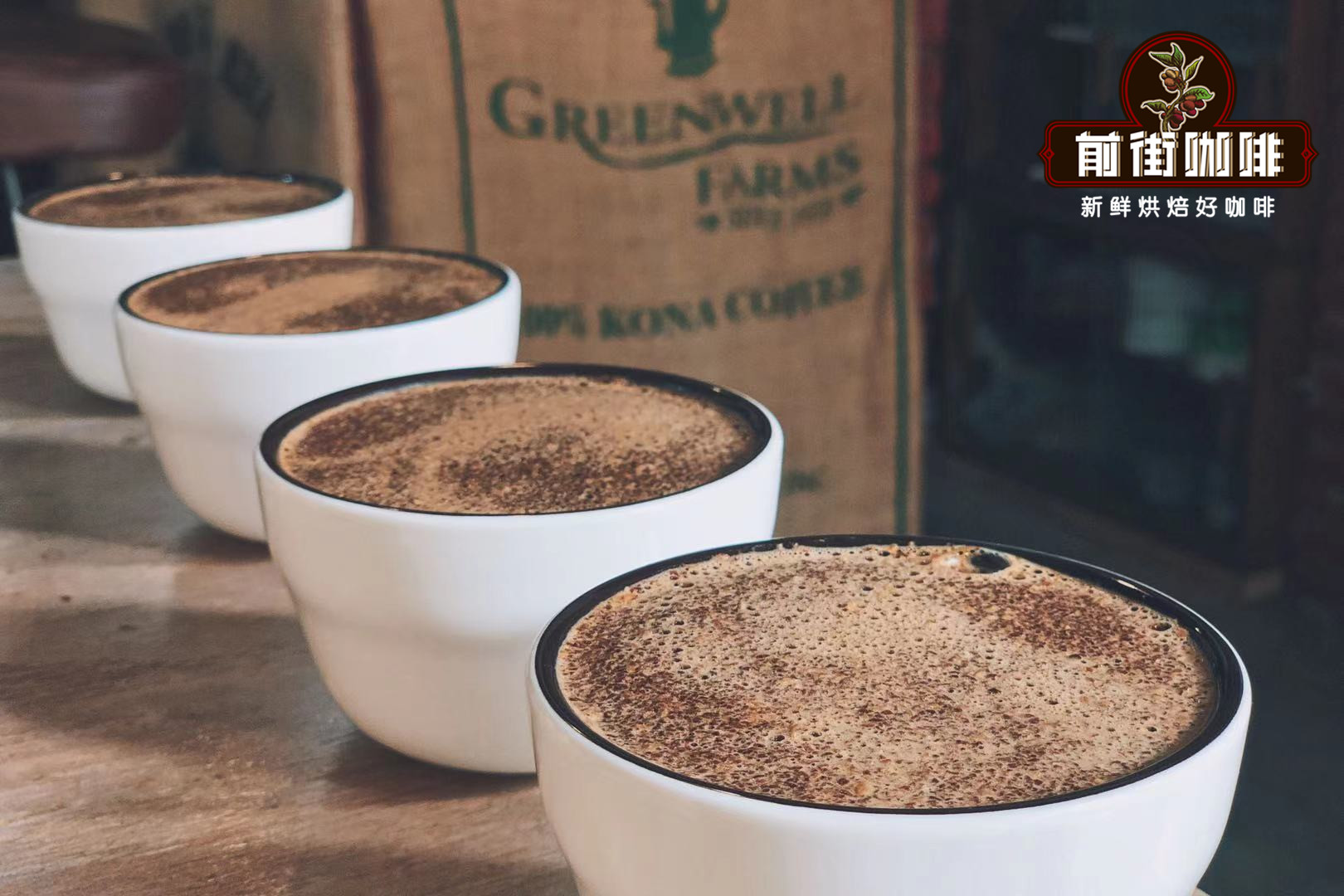
The difference between G1 and G2 coffee beans introduced what is the coffee grading system in Ethiopia
The difference between G 1 and G 2 coffee beans the difference between G 1 and G 2 coffee beans is introduced by putting the mellow beans into the pool and moving back and forth, using the friction of the beans and the power of running water to wash the coffee beans until smooth and clean. After washing, the coffee beans are still wrapped in the pericarp with a moisture content of 50%, which must be dried to reduce the moisture content to 12%, otherwise they

Introduction to the characteristics of Ethiopian native variety heirloom coffee beans the difference between heirloom and Landrace coffee
Professional coffee knowledge exchange more coffee bean information please follow the coffee workshop (Wechat official account cafe_style) class minions-phylum-class-order-family-genus-species, coffee is Rubiaceae coffee, including three major varieties Arabica species Arabica, Robusta species Robusta and Lee
What's the difference between G1 and G2 Yega Xuefei? Classification of coffee beans in Ethiopia
We know that coffee beans are usually graded according to the actual situation of the growing country, such as Kenyan coffee, altitude, blue mountain coffee, and coffee defect rate, such as Ethiopian coffee. Ethiopia, as the gene bank of Arabica, has a wide variety of coffee.

Ethiopian Sidama G1 Coffee Bean Grades
Ethiopian sidamo G1 grade of coffee beans washed sidamo green beans are pale green, citrus notes are evident on the palate with a hint of berry fruit, and pleasant elegant sour, grape sweet and chocolate aftertaste washed coffee flavor less wild flavor, with a clean, refreshing character, suitable for City to Full City roasting degree; some excellent in nature

Grade planning of coffee beans the difference between instant coffee and other coffee
Honduras (Central America) produces water-washed coffee beans in mountain areas, which is highly rated and is a good product of low-real estate coffee beans. Producing areas are: Santa Barbara, Gulanas, Komayagua, Cholutka and so on. Coffee beans from medium to large particles, with a soft taste. It is divided into 3 grades according to the altitude of the place of origin. The excellent varieties of Costa Rica (Central America) have strong taste.

How Ethiopian coffee is graded why Ethiopian coffee beans vary in size
Professional coffee knowledge exchange more coffee bean information please follow the coffee workshop (Wechat official account cafe_style) Ethiopia is the hometown of Arabica coffee, it is in Ethiopia's Kaffa region of the forest, you can see wild Arabica coffee. In Ethiopian, coffee is called Bun or Buna, coffee beans (coffeebean

The difference between Yega Snow Coffee G1 and G2 introduction to the characteristics and prices of Yega Xue Coffee beans
Professional coffee knowledge exchange more coffee bean information please follow the coffee workshop (Wechat official account cafe_style) if all the beans in Africa are turned into a bunch of flowers, Yirgacheffe Yega snow coffee beans should be one of the most beautiful flowers Ethiopia is the birthday of Arabica coffee beans

Introduction to Yega Xuefei Erica / Erica Aricha idido Raw Bean Raw Bean Grade and Cooking Flavor
Yega Chuefei / Erica Aricha idido Raw Bean Classification Yega Chefe is located in Ethiopia, the birthplace of Arabica coffee beans. It is a natural wetland, so Yega Xuefei originally means "Let's settle down on this wetland." Originally belonged to the Sidama producing area, because the coffee beans produced in the vicinity of the town of Yegashifi are unique.
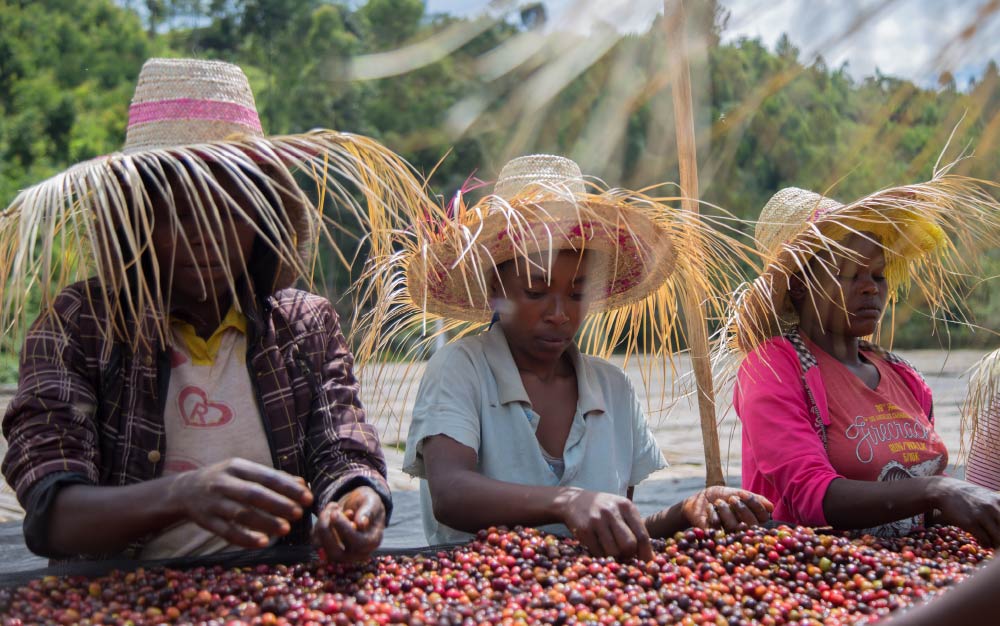
The Flavor of Yejasuefi Coffee beans describes the characteristics of boutique coffee varieties in the Yegashefi producing area of Ethiopia
Qianjie found that Yega Xuefei coffee beans are becoming more and more popular not only in hand-brewed individual coffee, but also in Italian-style individual coffee and blended coffee. So what exactly is the Yega flavor? In this paper, we will talk about the flavor characteristics of coffee beans.

Characteristics of Sidamo Coffee grading system what are the grades of Ethiopian coffee beans G1 and G2
Question1: why are Ethiopian coffee beans always big and small? If you are very fond of African beans, it should be easy to find that Ethiopian beans are generally of different sizes and have significantly lower evenness than those in Kenya. Sometimes roasting appearance can be found in the observation of the same batch of coffee beans, no matter whether it is Yega Xuefei or Sidamo, whether it is washed or insolated.
How are the boutique coffee beans graded? Coffee origin Ethiopian coffee bean grade discrimination
Sometimes we will see English and numbers, G1, G2, G3, AA, PB, SHB, SHG, HB and so on. Today, we will introduce the coffee bean grade of Ethiopia. It uses G1, G2, G3, G4, G5 and so on. To grade it. So what are their standards? The grade of coffee beans is usually based on the defect rate and the size of beans.
Description of the flavor characteristics of washed Yejia Coffee Ding Ding beans
Thousands of years of planting history and processing tradition in Ethiopia have created high-quality washed Arabica beans, and Yegashafi is synonymous with one of Ethiopia's fine washed coffee. It has been a wetland since ancient times. The ancient saying "Yirga" means to settle down and "Cheffe" means a wetland. Therefore, the mode of production and flavor of coffee here are outstanding, and it has become popular in Africa.

How do you drink Sidamo honey coffee?
For the exchange of professional baristas, please pay attention to the honeyed words made by the hands of the coffee workshop (Wechat official account cafe_style). 15g powder, medium fineness grinding (small Fuji ghost tooth cutter 3.5grinding), v60 filter cup, 9193 degrees water temperature, 30g water injection for the first time, steaming for 27 seconds, water injection to 105g water cut off, wait for the water volume of powder bed to be reduced to half and then water injection, slow water injection until 225g water, do not use water at the end.
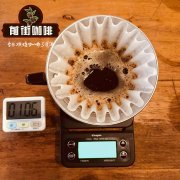
Which producing area of African coffee is good? which is the best coffee beans, G1 or G2?
Professional coffee knowledge exchange more coffee bean information please follow the coffee workshop (Wechat official account cafe_style) front street-African coffee producing area Yega Xuefei Coffee grading introduction since the Ethiopian Commodity Exchange Center (ECX) came into operation in 2009, the current practice is to put the more well-known producing areas in the generalized Yejashafi producing areas, including Yirgacheffe, Wenago, Kochere, Gelen
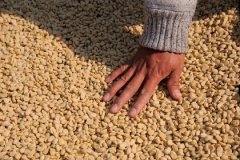
Ethiopian washed Sidama G1 Miyu micro-batch coffee beans flavor characteristics, production areas and brewing ginseng
Professional barista exchanges, please pay attention to coffee workshop (Weixin Official Accounts cafe_style ) Ethiopian coffee beans adopt this grading method according to the proportion of defective beans. Indonesian beans are mainly divided into 6 grades, namely G1G6. Ethiopia also uses this method, the highest grades of washed beans are G1 and G2; the highest grades of sun beans are G1 and G3. Wash: Grade-1;Grade-2 (G1G2) Days

How to select good coffee raw beans Yega Xuefei coffee beans selection method introduction
The exchange of professional baristas please follow the coffee workshop (Wechat official account cafe_style) to choose the most suitable for you. ECX is divided into Yirgacheffe, Wenago, Kochere and Gelena/Abaya. The common ones that belong to the Yega Sheffei producing area are:-Misty Valley Yega Sheffield Mist Valley-Aricha Yega Xuefei Ariga-Wenago Yega
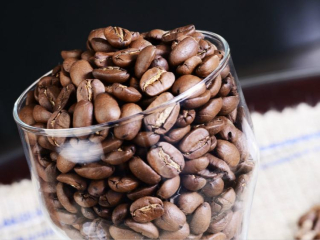
Introduction of flavor washing and solarization in Ethiopia Yega Xuefei Coffee Bean hand flushing area
Yega Xuefei, which is synonymous with Ethiopian boutique coffee, believes that even a person who does not drink coffee very often will never be able to refuse its charm. This is also the reason why there must be no shortage of hand-made coffee lists in major boutique cafes. Its taste is light, fresh and bright, and light roasting makes it lemon-scented flowers.